Fanfiction: A Script Font with Creative Flair
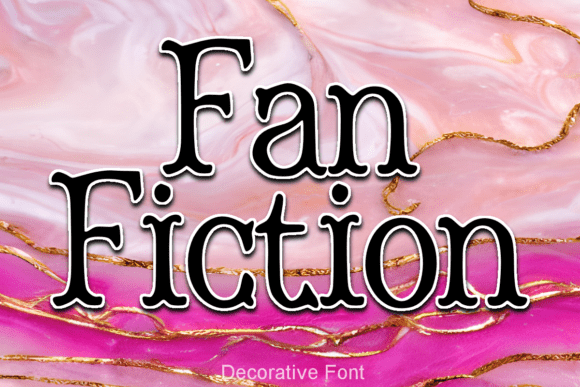
When I first laid eyes on Fanfiction, it immediately struck me as a font that could add a unique touch to the right project. The letters have an elegant yet casual feel, making it a versatile choice for designers looking to infuse their work with a personal, handwritten vibe.
Aesthetic and Personality of Fanfiction
Fanfiction has a distinct personality that can be described as both playful and refined. The flowing, cursive style of the letters gives off a sense of movement and spontaneity, perfect for projects that need to convey a more relaxed, creative atmosphere. This typeface is not just about aesthetics; it also carries a certain emotional weight that can enhance the visual storytelling in your designs.
Ideal Projects for Fanfiction
- Logo Design: Fanfiction's unique style makes it a great candidate for creating memorable logos, especially for brands that want to stand out with a more artistic, handcrafted look.
- Premium Packaging: Use Fanfiction for high-end product packaging where a touch of elegance and creativity is needed. It works well for luxury items or artisanal products.
- Social Media Graphics: Its dynamic, eye-catching appearance can help your social media posts stand out, making it ideal for quotes, short messages, and promotional graphics.
- Editorial Design: In magazines or blogs, Fanfiction can be used for section headers, pull quotes, or decorative text, adding a sophisticated yet approachable feel to the content.
Where to Use Fanfiction Cautiously
While Fanfiction is a beautiful script font, it's important to use it judiciously. It's best suited for large headlines, short phrases, and decorative accents. Using it for long paragraphs or body text might compromise readability and overall design clarity. Here are some specific scenarios where you should be cautious:
- Body Text: Avoid using Fanfiction for any significant amount of body text. It’s too decorative and can be hard to read in larger quantities.
- Small Sizes: Test its legibility at smaller sizes before committing to using it in places like fine print or detailed information sections.
Practical Designer Notes on Fanfiction
Before incorporating Fanfiction into your next project, here are some practical tips to ensure it fits seamlessly:
- Test in Black and White: Always start by testing the font in black and white to see how it holds up without color. This will give you a clear idea of its inherent strength and character.
- Check Readability: Ensure that the font remains readable at various sizes, especially if you plan to use it in different contexts like web design or print.
- Real Mockups: Place Fanfiction in real mockups to see how it looks in context. This will help you understand its impact and make any necessary adjustments.
- Compare Uppercase and Lowercase: Pay attention to how the uppercase and lowercase letters interact. This can affect the overall balance and harmony of your design.
- Review Spacing: Check the letter spacing and kerning. Sometimes, script fonts can have tight or loose spacing that may need adjustment.
- Font Pairing: Experiment with pairing Fanfiction with other typefaces. It often works well alongside a clean sans serif or a classic serif font to create a balanced and professional look.
- Commercial Licensing: Before using Fanfiction in client or business projects, confirm that you have the appropriate commercial license. This is crucial to avoid any legal issues.
Impact on Brand Consistency and Audience Engagement
Choosing the right font is critical for maintaining brand consistency and building audience trust. Fanfiction, with its distinctive style, can help set a consistent tone across all your branding materials. However, it’s important to use it thoughtfully to maintain professionalism and readability. When used correctly, Fanfiction can significantly enhance the visual mood and engagement of your designs, making them more memorable and impactful.
In summary, Fanfiction is a premium script font that offers a lot of creative potential. With careful consideration and strategic use, it can become a valuable asset in your design toolkit, adding a unique and appealing touch to a wide range of projects.